
Citadel CulebraLogin
← Back to the institute

// Academy / Curriculum

Curriculum, certifications & disciplines.

Citadel Culebra is organized around 13 core disciplines that together form a complete educational system for serious reptile keepers, breeders, educators, researchers, and facility operators. Each discipline is designed to preserve generational knowledge, elevate modern standards, and create a structured path from basic care into advanced mastery.

The curriculum

The 13 living disciplines.

01

Husbandry

The complete care system that lets reptiles thrive in captivity — enclosure design, gradients, humidity, light, substrate, ventilation, hydration, cycling, enrichment, and daily observation.

Husbandry is the foundation of Citadel Culebra. This discipline covers the complete care system required to keep reptiles thriving in captivity, including enclosure design, temperature gradients, humidity, lighting, substrate, ventilation, hydration, cleanliness, seasonal cycling, enrichment, and daily observation. The goal is to move beyond basic survival care and teach keepers how to create environments that support natural behavior, long-term health, breeding success, and overall animal wellness.

02

Nutrition

What reptiles eat, how they digest, and how diet shapes growth, reproduction, immunity, behavior, and longevity — as a biological system, not a routine.

Nutrition focuses on understanding what reptiles eat, how they digest, and how diet affects growth, reproduction, immune strength, behavior, and longevity. This discipline includes prey selection, feeding schedules, supplementation, hydration, gut loading, fasting cycles, obesity prevention, neonate feeding, difficult feeders, seasonal appetite changes, and species-specific dietary planning. The goal is to teach nutrition as a biological system, not just a feeding routine.

03

Behavior & Handling

Reading reptiles accurately — body language, defense, stress, feeding response — and handling them safely and respectfully across species and temperaments.

Behavior and handling focuses on reading reptiles accurately and interacting with them safely and respectfully. This discipline teaches body language, defensive behavior, stress signals, feeding responses, flight responses, confidence building, safe restraint, hook training, protected contact, and handling protocols for different species and temperaments. The goal is to help keepers understand what the animal is communicating before they act.

04

Socialization & Bond Building

The long-term relationship between keeper and animal — trust, consistency, desensitization, routine, and predictable low-stress interaction across high-response species.

Socialization and bond building explores the long-term relationship between keeper and animal. This discipline focuses on trust, consistency, exposure, desensitization, routine-based interaction, positive reinforcement, and reducing fear-based responses. It is especially important for intelligent, powerful, or high-response species such as monitors, tegus, large pythons, boas, and crocodilians. The goal is not to humanize reptiles, but to build predictable, low-stress relationships through structure and respect.

05

Breeding

The full reproductive process from pairing strategy through neonatal care — conditioning, cycling, courtship, ovulation, eggs, incubation, and ethical production.

Breeding covers the full reproductive process from preparation to offspring care. This discipline includes pairing strategy, sexual maturity, conditioning, temperature cycling, photoperiod, courtship behavior, ovulation, follicle development, egg laying, live birth, incubation, maternal behavior, neonatal care, recordkeeping, and ethical production. The goal is to teach breeding as a serious responsibility that requires planning, genetics, health management, and long-term commitment.

06

Genetics

Heredity, morphs, selective breeding, lineage, mutation expression, inheritance, and ethical decision-making — moving away from random pairings toward responsible genetic stewardship.

Genetics focuses on heredity, morphs, selective breeding, lineage tracking, mutation expression, inheritance patterns, genetic health, and ethical decision-making. This discipline teaches keepers how traits are passed down, how to plan pairings responsibly, how to avoid harmful combinations, and how to preserve both visual quality and biological strength. The goal is to move breeders away from random pairing and toward informed, responsible genetic stewardship.

07

Anatomy & Physiology

How reptiles are built and how their bodies function — skeleton, muscle, digestion, respiration, circulation, thermoregulation, senses, reproduction, skin, sheds, and venom systems.

Anatomy and physiology explains how reptiles are built and how their bodies function. This discipline covers skeletal structure, muscular systems, digestion, respiration, circulation, thermoregulation, sensory systems, reproduction, skin, shedding, venom systems, and species-specific biological adaptations. Understanding anatomy and physiology allows keepers to better recognize normal behavior, detect early warning signs, and make smarter care decisions.

08

Veterinary Medicine & Clinical Care

Health monitoring, prevention, treatment awareness, and partnership with qualified reptile veterinarians — quarantine, parasites, RI, mouth rot, wounds, sheds, emergencies.

Veterinary medicine and clinical care focuses on health monitoring, disease prevention, treatment awareness, and working properly with qualified reptile veterinarians. This discipline includes quarantine, parasite management, respiratory infections, mouth rot, wounds, burns, dehydration, stuck sheds, reproductive complications, emergency response, medication basics, diagnostic testing, necropsy, and long-term health records. The goal is not to replace veterinarians, but to help keepers become better observers, better recordkeepers, and better partners in animal care.

09

Venomous Animals & Toxicology

The responsible study, care, and management of venomous reptiles — venom biology, bite prevention, antivenom, lock systems, transport, emergency plans, legal compliance, public safety.

Venomous animals and toxicology covers the responsible study, care, and management of venomous reptiles and medically significant species. This discipline includes venom biology, venom delivery systems, bite prevention, antivenom awareness, lock systems, caging standards, transport protocols, emergency action plans, legal compliance, keeper safety, public safety, and ethical considerations. The goal is to teach respect, discipline, and professional-level responsibility around animals that carry serious risk.

10

Zoological & Large-Scale Operations

Running collections, breeding facilities, education centers, zoos, sanctuaries — facility design, SOPs, biosecurity, inventory systems, staff roles, training, documentation.

Zoological and large-scale operations focuses on running reptile collections, breeding facilities, education centers, zoos, sanctuaries, and professional animal programs at scale. This discipline includes facility design, animal inventory systems, staff roles, SOPs, biosecurity, quarantine rooms, feeding systems, lighting systems, environmental controls, safety procedures, guest experience, public education, keeper training, and operational documentation. The goal is to turn passion into professional structure.

11

Conservation, Research & Human-Wildlife Conflict

Connecting captive knowledge to real-world wildlife protection — habitat loss, field research, monitoring, relocation, coexistence, invasive species, partnerships, anti-poaching.

Conservation, research, and human-wildlife conflict management connects captive knowledge to real-world wildlife protection. This discipline covers habitat loss, field research, population monitoring, relocation programs, public education, coexistence strategies, invasive species issues, anti-poaching awareness, conservation breeding, data collection, and partnerships with schools, universities, zoos, and conservation groups. The goal is to use reptile knowledge to protect animals, support ecosystems, and reduce unnecessary fear or harm.

12

Education, Media & Public Communication

How reptile knowledge is taught, filmed, presented, and shared — public speaking, courses, demos, documentaries, social, podcasts, school programs, safety messaging, storytelling.

Education, media, and public communication focuses on how reptile knowledge is taught, filmed, presented, and shared with the world. This discipline includes public speaking, course creation, demonstrations, documentaries, social media, podcasts, school programs, keeper interviews, safety messaging, and storytelling. The goal is to create responsible reptile educators who can inspire people without sensationalizing the animals or spreading misinformation.

13

Legislation & Regulatory Policy

How reptile law is made, how it gets broken, and how keepers fight back. Legislation, government policy, regulatory frameworks, exposing inefficiencies, lobbying, and community organizing as a core discipline.

Legislation and regulatory policy treats reptile law as a skill the field has to learn. This discipline covers federal, state, and municipal frameworks, the legislative process, how bad laws actually get drafted, how good keepers get caught in them, productive engagement with lawmakers, lobbying, expert testimony, public hearings, coalition-building, and grassroots organizing. The goal is to give every keeper the literacy and the muscle to defend their animals — and the field — at the level where the rules are written.

Flagship programs

The Master Classes.

Signature, long-form programs led by the legends of each discipline — taught at depth, on the record.

Husbandry

Kevin McCurley Master Class

Kevin McCurley

The complete working philosophy of one of the most influential breeders alive. Husbandry systems, collection management, and the operational mindset behind New England Reptile, told by the man who built it.

IN PROGRESS
Education & Media

Reptile History Master Class

Tom Crutchfield · Kevin McCurley · Ty Park · George Van Horn & more

How the modern hobby was actually built — the keepers, breakthroughs, failures, and pioneers who forged a path where none existed. The lineage, on the record.

IN PROGRESS
Conservation

Reptile Conservation

Dr. Steve Dinkelacker · Kevin McCurley · Ty Park

Connecting captive knowledge to wild outcomes: habitat loss, field research, relocation, invasive species, and the conservation work that captive expertise makes possible.

IN PROGRESS
Husbandry · Breeding

Reticulated Pythons Master Class

Kevin McCurley · Guest instructors

The world's longest snake at depth — husbandry, scale, temperament, genetics, and the realities of keeping and breeding retics responsibly.

IN PROGRESS
Husbandry · Safety

Large Snakes & Lizards

Citadel Faculty

Keeping and handling the giants. Space, strength, safety, feeding, and the operational discipline that powerful species demand.

IN PROGRESS
Husbandry

Husbandry Master Class

Ty Park · Kevin McCurley & more

The foundation discipline: enclosure design, gradients, humidity, light, substrate, cycling, and daily observation — the complete system that lets reptiles thrive, not just survive.

IN PROGRESS
Genetics

Genetics Master Class

Kevin McCurley + faculty

Heredity, morphs, inheritance patterns, lineage, and responsible genetic stewardship. Moving breeders from random pairing to informed decisions.

IN PROGRESS
Breeding

Breeding Master Class

Citadel Faculty

The full reproductive arc from conditioning and cycling through ovulation, incubation, and neonatal care — taught as a serious responsibility.

IN PROGRESS
Behavior · Husbandry

Monitor Lizard Master Class

Kevin McCurley · Ty Park · Tom Crutchfield · Stacy Crutchfield

The most intelligent lizards in the hobby. Enrichment, socialization, space, diet, and the bond-building structure these animals require.

IN PROGRESS
Behavior & Handling

Behavior Science Master Class

Tom Crutchfield

Reading reptiles accurately: body language, defensive signals, stress, feeding response, and the science of low-stress interaction.

IN PROGRESS
Venomous · Safety

Venomous Handlers Master Class

George Van Horn · Kevin McCurley · Tom Crutchfield & more

Hot-keeping done right: lock systems, hook and tube work, transport, bite protocols, and the professional discipline that keeping venomous demands — taught by handlers who do it for real.

IN PROGRESS
Venomous & Toxicology

Venomous Animals Master Class

George Van Horn

Responsible care and management of medically significant species — venom biology, lock systems, transport, emergency planning, and professional-grade discipline.

IN PROGRESS
Venomous · Research

Venom Milking Master Class

George Van Horn

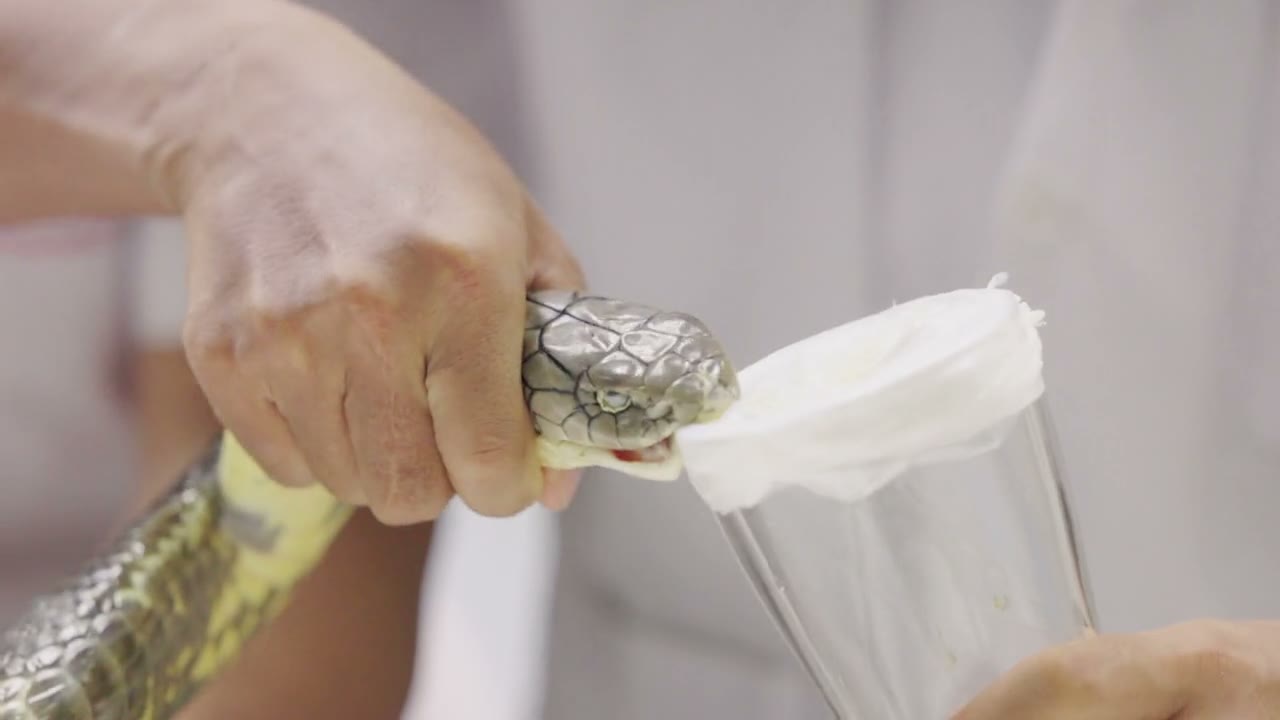
The procedure, the science, and the safety architecture behind venom extraction — taught by practitioners who do it for real.

IN PROGRESS
Husbandry · Longevity

Tortoise Master Class

Citadel Faculty

Long-lived chelonians from hatchling to giant — husbandry, diet, enclosure scale, and the multi-decade commitment they represent.

IN PROGRESS
Operations

Zoological Operations Master Class

Kevin McCurley + faculty

Running collections and facilities at scale: design, SOPs, biosecurity, inventory, staffing, and turning passion into professional structure.

IN PROGRESS
Husbandry · Field

Australian Reptiles

Surprise instructor

The unique radiation of a continent — pythons, monitors, dragons, and elapids — and what makes their husbandry distinct.

IN PROGRESS
Apex Operations

Crocodilian Master Class

Citadel Faculty

The apex discipline. Care, handling, facility standards, and the protected-contact protocols large crocodilians demand.

IN PROGRESS
Husbandry · All Species

Species Care Series

Citadel Faculty

In-depth species courses for every species currently available — from leopard geckos and bearded dragons to crocodile monitors and scrub pythons, and everything in between. Real, working care, taught species by species.

IN PROGRESS
Apex Operations

Crocodilians

Citadel Faculty

An overall course on the crocodilians — alligators, crocodiles, caimans, and gharials. Biology, husbandry, handling, and the facility standards they demand, top to bottom.

IN PROGRESS

Earned credentials

Earned credentials. Real weight.

Certifications are formal, earned credentials produced at the highest level by the faculty. They are always purchased separately — never bundled into a membership — because they carry real weight. Membership gives you a built-in discount on every certification.

Credential families

01

Expert Signature

A specific legend's own named program (e.g., a Kevin McCurley Master Certification). Experts build and own these.

02

Specialty (faculty-built)

Multi-faculty programs (Behavioral Science, Venomous, Crocodilian, and more).

03

Zoological-Grade

The most advanced credentials — large crocodilians, large monitors, large constrictors, and venomous species.

Pricing

$199

Focused

Single-topic, foundational

$349

Signature

An expert's own named program

$499

Specialty

Multi-faculty comprehensive program

$799

Advanced / High-Risk

Venomous and zoological-grade

Member discounts
  • No membership (à la carte buyer)full price
  • Community Tier 110% off
  • Community Tier 2 / Academy All-Access15% off
  • Full-ecosystem members (when available)20% off

A Community Tier 2 member gets the $799 flagship certification for $679 (15% off).

Our certification courses begin releasing in Q4 2026. Every program is in development with the faculty now — pricing and enrollment open as each one launches.